
Maximizing Winter Comfort on Dubai Terraces: Integrating Electric Patio Heaters with Outdoor Space Design
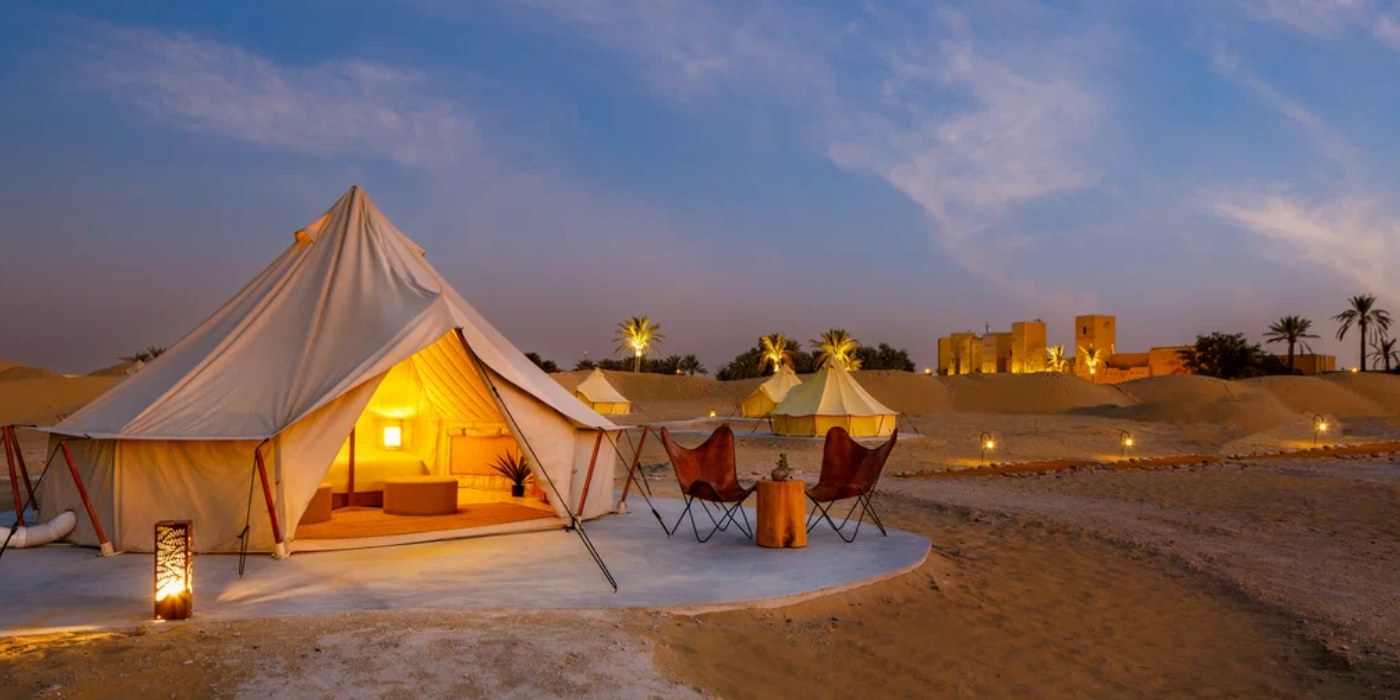
Outdoor spaces in Dubai tend to reveal their true value during winter. When evenings cool enough to linger outdoors without discomfort, terraces stop being visual extras and begin functioning as places where people actually spend time-eating, meeting, unwinding. That shift has changed how comfort is evaluated. Warmth is no longer treated as a seasonal luxury but as a baseline requirement, especially in developments where outdoor areas are expected to work in tandem with interior planning and existing heating and cooling solutions. Modern terraces often incorporate an electric patio heater seamlessly to maintain consistent warmth without compromising design.
Designers and decision-makers are beginning to treat winter comfort as part of spatial planning itself, shaped by how people move, sit, and use a space over time, as well as by the long-term operational value that well-performing terraces add to a property.
Dubai’s Winter Climate And The Economics Of Outdoor Use
Dubai does not experience a harsh winter, but the season still changes how people use outdoor spaces. During the day, conditions are rarely a problem. The difference appears in the evening, when cooler temperatures shorten how long people are willing to sit outside. In hospitality settings, this pattern is easy to observe. Terraces that are not heated tend to empty earlier, even when footfall elsewhere remains strong.
What is notable is that this shift is not always linked to physical discomfort. People often leave simply because the space feels unfinished or unprepared for evening use. Where heating is present, behavior changes. Guests stay longer, order more, and treat the terrace as a destination rather than a temporary stop. In residential developments, a similar effect exists. Outdoor areas designed for winter use are more likely to be seen as part of the living space, which influences how residents judge overall quality and value.
These outcomes illustrate a simple reality: thermal comfort directly influences how outdoor spaces are monetized and valued.
Designing Warmth Into The Architecture
One of the most common mistakes in outdoor heating is late-stage placement. When heaters are introduced after construction, they often interrupt visual flow, occupy usable space, or create uneven thermal coverage. Heaters work best when they’re part of the design from the very start. Placing them alongside ceiling lines, pergolas, or even the building façade makes a big difference. Electric patio heaters fit this approach well. They are slim, easy to mount, and can disappear into space without changing how it feels. Ceiling-mounted models, in particular, keep walkways open and seating areas comfortable, while spreading warmth exactly where it’s needed.
The key is to match heat with how people actually use the terrace. If positioned right, the warmth hits the spots where people sit instead of getting lost in the open air. It feels natural and keeps the space inviting without wasting energy.
Energy Use And Operational Practicality
Electric heaters in Dubai provide consistent comfort on terraces during winter. They deliver predictable warmth and are easily controlled with timers and zone controllers, reducing energy consumption without compromising comfort. Ease of use and safety are key advantages: no open flame, no fuel, and no complex ventilation. Infrared models heat surfaces and people directly, minimizing heat loss even in windy conditions.
These systems are effective for high-rise terraces and open spaces: high efficiency, convenience, and safety make them the optimal solution for winter use.
The Role Of Spatial Design In Thermal Effectiveness
Heating performance is inseparable from spatial design. Wind exposure, ceiling height, and surface materials all influence how warmth is perceived. Even modest wind screening-through glass balustrades or vertical fins can significantly reduce heat loss and improve comfort.
Material choices also matter. Dense surfaces such as stone or concrete retain warmth longer than lightweight decking, while upholstered seating minimizes heat dissipation. Seating arrangements that encourage inward orientation help create shared thermal pockets, reducing the need for higher output. These design decisions demonstrate that effective winter comfort is achieved through coordination, not equipment alone.
Professional Implementation And Market Expectations
As outdoor spaces become defining features rather than secondary amenities, professional execution has become the market standard. Developers and operators now recognize that winter usability affects brand perception, leasing appeal, and guest satisfaction.
Specialized companies such as climate plus outdoor cooling are operating within the new requirements for terraces and outdoor spaces, combining heating installations with architectural solutions and operational realities. Their involvement reflects a marked shift towards integrated outdoor comfort strategies, where consistency, safety, and long-term effectiveness are prioritized. Market analysis shows that facilities with a well-integrated terrace heating system show higher winter attendance and positive user reviews. This highlights the economic importance of early planning and professional coordination of work.
