
Which Wire Is Used in Electric Heaters? The Truth Behind the Heating Element
Electric heaters are a staple in most homes during colder months, keeping us cozy and warm. But have you ever wondered how they work so efficiently? The magic lies in the wire used in their heating elements. Understanding which wires are used—and why—can help you make better decisions about heater repairs or installations.
This post dives into the types of wires used in electric heaters, their unique properties, and how they ensure your heater functions safely and effectively.
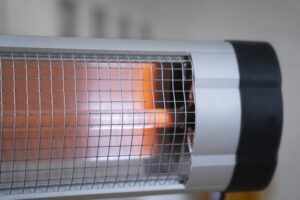
Why the Right Wire Matters for Electric Heaters
The wire in an electric heater does much more than just conduct electricity. It’s vital for converting electrical energy into heat, a process that keeps the heater running efficiently. Using the right wire is critical for both performance and safety.
Function of the Wire
The wire in an electric heater acts as the backbone of the heating element. When electricity flows through the wire, its high electrical resistance causes it to heat up. This heat is then radiated or conducted to warm the surrounding environment. Without the right wire, this process would fail or become unsafe.
Key Considerations
The optimal wire for electric heaters must meet the following criteria:
- Heat Resistance: It must withstand extremely high temperatures without breaking down.
- Electrical Conductivity: The wire should balance good conductivity and the ability to resist the electrical current enough to generate heat.
- Durability: For constant heating cycles, the wire must resist wear, tear, and corrosion.
Now that we understand why the choice of wire is so important, let’s explore the most commonly used wires in electric heaters.
The Most Common Wires Used in Electric Heaters
Not all wires are created equal. The wire you’ll find in an electric heater depends on the type of appliance and its specific requirements.
1. Nichrome Wire
Nichrome, an alloy of nickel and chromium, is the gold standard for heating elements.
- Why It’s Chosen
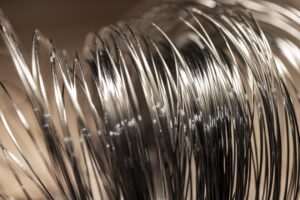
Nichrome offers high electrical resistance and excellent heat tolerance, handling temperatures as high as 1,100°C. This makes it highly efficient for converting electrical energy into heat. It’s also durable, maintaining its structure even after years of constant heating cycles.
- Applications
You’ll find Nichrome wire in everyday devices like space heaters, toasters, and hair dryers.
2. Copper Wire
Copper is not typically used for the heating element itself but plays a crucial role as a conductor in electric heaters.
- Why It’s Chosen
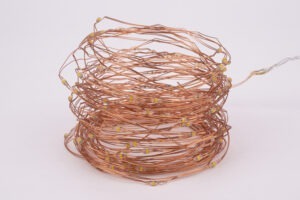
Copper’s superior conductivity ensures minimal energy loss when transferring electricity from the power source to the heating element.
- Applications
Copper wire is used for the wiring that connects the power supply to the heating element, ensuring consistent and efficient energy transfer.
3. Kanthal Wire
Kanthal, made of iron, chromium, and aluminum, is another heavy-duty option for heating applications.
- Why It’s Chosen
Kanthal boasts high temperature resistance—up to 1,400°C—making it ideal for industrial-grade heating. Its oxidation resistance ensures a longer lifespan, even at extreme temperatures.
- Applications
This wire is commonly used in industrial furnaces, kilns, and high-performance heaters designed for demanding environments.
4. Stainless Steel Wire
While not as common as Nichrome or Kanthal, stainless steel is sometimes used in electric heaters for its specialized properties.
- Why It’s Chosen
Stainless steel offers good corrosion resistance, moderate heat resistance, and structural integrity in humid environments.
- Applications
It’s often used in water heaters and similar appliances where exposure to moisture could cause rust or degradation in other materials.
Insulation and Safety Considerations
Choosing the right heating wire is just one part of the equation. Proper insulation is key to ensuring the safety and longevity of your electric heater.
Insulation Types
Materials like fiberglass, silicone rubber, and ceramic are commonly used to insulate wires in electric heaters. They prevent overheating and physical damage to the wires.
- Fiberglass is ideal for high-temperature heating elements.
- Silicone Rubber provides flexibility and insulation for mid-range temperatures.
- Ceramic is used in extremely high-temperature industrial applications.
Why Insulation Matters
Proper insulation reduces the risk of electrical shocks, short circuits, and fire hazards. It also prolongs the lifespan of the heating wire by protecting it from external damage and harsh conditions.
Safety Features
- Fire-resistant insulation materials to reduce fire risks.
- Overcurrent protection built into modern heaters to prevent accidents.
Choosing the Right Wire for Your Heater
Whether you’re repairing a heater or building one from scratch, choosing the right wire ensures optimal performance and safety.
Factors to Consider
- Voltage and Current: The wire must handle the electrical load effectively without overheating.
- Heat Output: Match the wire’s heat resistance to the heater’s operating temperature.
- Environment: Humid or industrial environments may require specialty wires like stainless steel or Kanthal.
Wire Sizing
The wire’s gauge (thickness) determines its ability to carry current without overheating. Ensure that the wire size corresponds to the appliance’s power requirements, as incorrect sizing can lead to inefficiency or hazards.
Professional Installation
Hiring a professional ensures that the wiring is installed correctly and safely. Attempting DIY repairs without proper knowledge can lead to electrical hazards or void warranties.
The Role of Wires in Electric Heater Performance
Understanding the role of wires in electric heaters sheds light on how these appliances operate so effectively. Nichrome dominates as the wire of choice for heating elements because of its resistance, heat tolerance, and durability. However, copper, Kanthal, and stainless steel also serve critical roles, depending on the heater’s design and environment.
By considering factors like heat resistance, insulation, and wire gauge, you’ll be better equipped to select or maintain the right materials for your home or project.
Stay Warm, Stay Safe
Now that you understand the truth about heating wires, remember that choosing the right materials can ensure your heater’s performance and safety for years to come. Whether you’re upgrading your heating system or doing a DIY repair project, prioritize quality and professional guidance.
